
A patented hybrid process, a compact low‑energy plant and over 80 RESPETTO®Mix formulations to transform unsorted textile and fashion waste into high‑performance secondary raw materials, directly at your facility.
We partner with companies and institutions to transform their textile waste into high‑performance secondary raw materials, cut disposal costs and significantly reduce their carbon footprint.
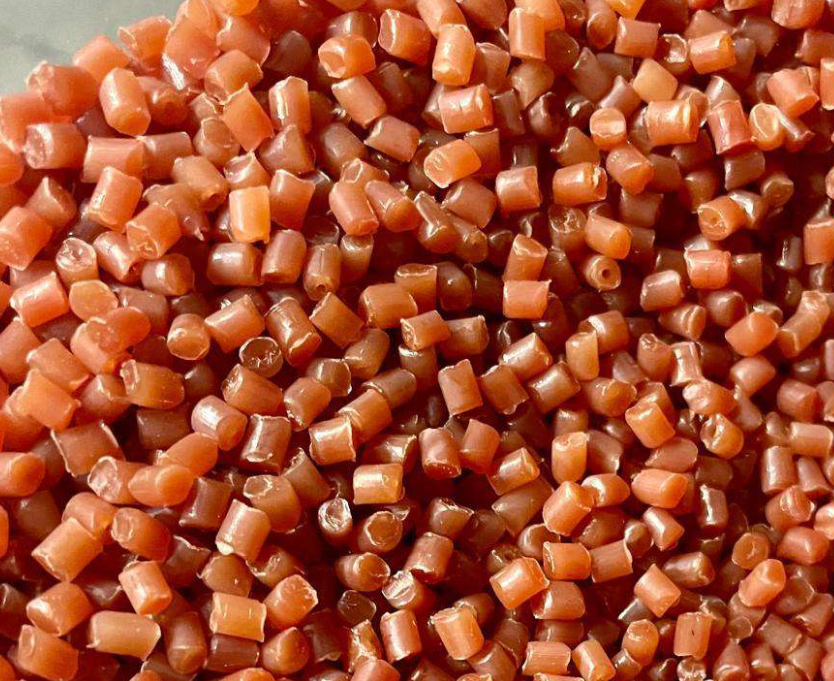
Through Respetto® technology, we identify the right solution for your specific waste streams, and sustainability goals. We can start by managing the transformation for you via our Sustainability‑as‑a‑Service model, providing you with recycled materials, finished or semi‑finished products, and verified data for your sustainability reporting.
Our ultimate goal is to make you autonomous in your green transition. That’s why we support you step‑by‑step until you can internalise the process: through technology transfer, training and deployment of Respetto®‑based systems at your facility or in dedicated hubs.
In this way, you move from outsourcing circularity to becoming CIRCULAR by Design, with full control over your waste-to-resource loop and your decarbonisation pathway.
A WIDE RANGE OF TEXTILE WASTE, STARTING FROM
POST CONSUMER WASTE
(apparel and household textiles)

pre consumer waste (textile production offcuts and scraps)

unsold and returned textiles
(new products)

Industry specific waste streams (automotive, hospitality......)

Low investment and optimized production costs

ouR SOLUTION: FROM WASTE TO NEO-POLYMERS
RESPETTO is an industrial solution that converts pre‑ and post‑consumer textile and fashion waste into next‑generation neo‑polymers with plastic‑like properties. It combines a proprietary transformation process, a compact plant and a family of patented additives (RESPETTO® Mix) to deliver high‑quality, circular materials at scale.
Transforming all textile and fashion waste
RESPETTO processes waste from the textile and fashion supply chain: offcuts, unsold stock, defective items, returned products and post‑consumer garments. It can handle plant‑based, animal, synthetic and blended fibres, as well as leather and technical textiles, without fiber‑type sorting at input.
Regenerated and regenerable raw material
Through a patented industrial process, textile waste becomes a high‑quality secondary raw material – a “neo‑polymer” – that can be re‑worked multiple times. This material is suitable for a wide range of applications, including fashion accessories, interior design, packaging, retail tools, automotive, nautical and more.
High‑performance materials, designed with you
The RESPETTO material has plastic‑like properties and can be injection‑molded or 3D‑printed. Together with your R&D and design teams, we define the mechanical, aesthetic and performance specifications you need – quality by design from the very beginning, aligned with your brand and technical requirements.
Low investment and optimized production costs
The RESPETTO plant requires a relatively low investment compared to traditional recycling technologies and is designed to ensure the economic sustainability of the secondary raw material produced. You turn a waste‑management cost into a new material stream with measurable value.
HOW RESPETTO WORKS
Textile waste input
We start from industrial and post‑consumer textile and fashion waste: cutting scraps, end‑of‑rolls, defective items, unsold products, returns and used garments. No complex sorting by fibre type is required, reducing operational costs and manual labour.
Patented hybrid transformation
Inspired by nature, which rarely relies on a single transformation mechanism, RESPETTO combines advanced mechanical and materials‑engineering technologies. This hybrid approach overcomes the limitations of purely chemical, mechanical or thermal processes and enables the transformation of mixed, complex textile waste into a homogeneous, processable material.
RESPETTO® Mix formulations
Our patented RESPETTO® Mix additives are added during transformation to tune the properties of the resulting neo‑polymer. With more than 80 formulations already developed, we can calibrate stiffness, density, colour, surface feel, durability and functional performance depending on the target application.
Neo‑polymer output
The output is a high‑quality secondary raw material with plastic‑like behaviour. It can be supplied as granules, semi‑finished products or finished components, ready for use in existing industrial processes such as injection moulding and 3D printing.
WANT TO LEARN MORE
Let’s schedule a call to assess the project’s feasibility. Together, we’ll define a tailor-made proposal including budget, timeline, and deliverables. Contact us.
CASE STUDIES
Partnering with one of the world’s most iconic luxury fashion group, we’re transforming their textile production waste into premium eyewear—using their original molds.
Zero Additional Costs
Production with the brand’s existing tooling. Zero additional manufacturing investment.
Next-Gen Materials
Respetto™ technology converts high-fashion textile waste into certified eyewear-grade material.

CASSINA
Caprice Collection by Philippe Starck — Re-edited with Respetto™ Technology
Cassina’s textile production waste became the raw material for something unexpected: a new life for one of Philippe Starck’s most iconic chair collections. Using existing molds, zero additional tooling, and Respetto™ technology, the Caprice series was reimagined from the inside out — same silhouette, radically different material story.
Zero Additional Investment Standard tooling. Existing infrastructure. No new capital required.
Certified Performance The next-generation material, born from Cassina’s own waste stream, passed all mandatory chair certifications — same design standards, zero compromise.
Industrial Scalability Full-scale production currently rolling out

GLASSES: LUXURY FASHION GROUP
Partnering with one of the world’s most iconic luxury fashion group, we’re transforming their textile production waste into premium eyewear—using their original molds.
Zero Additional Costs
Production with the brand’s existing tooling. Zero additional manufacturing investment.
Next-Gen Materials
Respetto™ technology converts high-fashion textile waste into certified eyewear-grade material.
Lorem ipsum dolor sit amet, consectetur adipiscing elit. Ut elit tellus, luctus nec ullamcorper mattis, pulvinar dapibus leo.
3D POUF
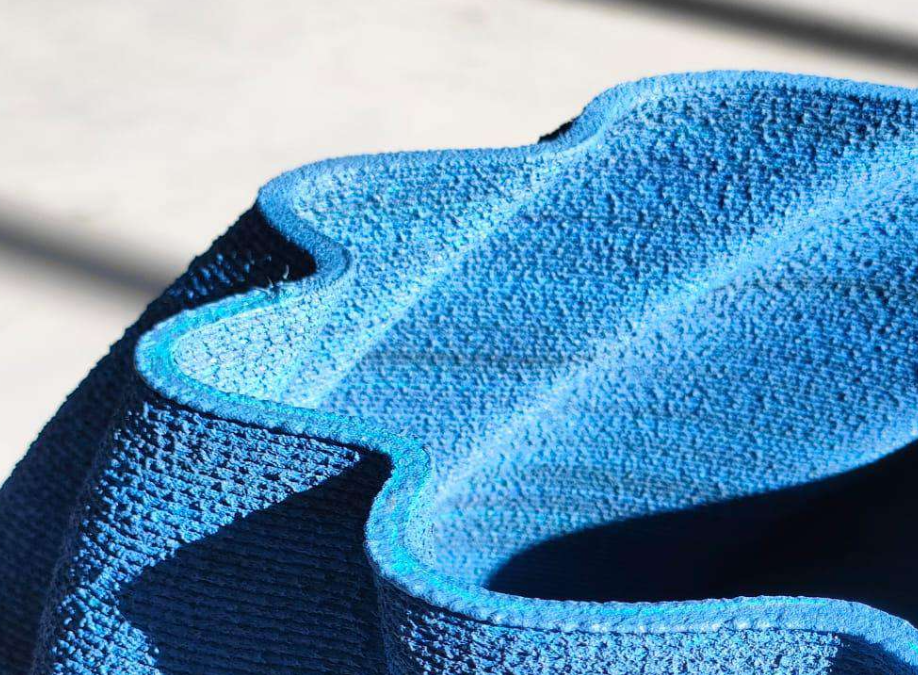
After three years of laboratory testing, Regenstech began producing objects in thermoplastic material derived from mixed textile waste using a batch process. Starting from mixed fabric scraps, we 3D-printed a pouf that showcases the material quality of the generated secondary raw material and the extreme flexibility of its applications, thanks to the adaptability of 3D printing.
Lorem ipsum dolor sit amet, consectetur adipiscing elit. Ut elit tellus, luctus nec ullamcorper mattis, pulvinar dapibus leo.

EGO ITALIANO
DesKoffiSet Collection by Giulio Iacchetti for Regenesi — Re-edited with Respetto™ Technology
EgoItaliano’s fabric production scraps and warehouse surplus became the raw material for something unexpected: a new life for Giulio Iacchetti’s DeskoffiSet — a collection already embedded in design history thanks to two Compasso d’Oro legacy of Giulio. Using existing molds and Respetto™ technology, iconic objects were reimagined from the inside out — same design DNA, radically different material story.
Design Heritage, Zero New Tooling Original industrial molds from the Iacchetti × Regenesi project. No additional investment required.
Circular Materials A next-gen composite born from EgoItaliano’s own fabric scraps turned into functional design.
A Legacy Reactivated One material innovation. Full circularity

FASHION TOOLS
Starting from leather production offcuts, we implemented the Respetto™ technology to develop a high-performance Fashion Tools collection without redesigning the existing product specifications.
Certified Performance
The next-generation material, derived from post-industrial leather waste streams, successfully met all the mechanical and safety requirements for the product category, including strength, abrasion resistance, and surface finish quality. The same design, the same performance standards, with no compromises.
Industrial Scalability
Following laboratory validation, the pilot project demonstrated its readiness for industrial scale-up, confirming the technology’s potential for large-scale production while maintaining consistent quality and performance.
ENVISIONING THE FUTURE WITH RESPETTO
CIRCULAR COMPANIES
The Respetto technology will transform textile supply chain companies into autonomous circular ecosystems. Manufacturers, brands, and retailers will convert pre-consumer waste into valuable, eco-sustainable secondary raw materials, reintegrating them directly into their own production cycles. Authentically green, genuinely profitable.
REGENERATIVE METROPOLISES
The Respetto technology will scale to an urban level, revolutionizing the management of post-consumer textile waste. Cities will become circular hubs where every textile scrap is transformed into a valuable local resource. Zero landfills, zero polluting transport outside the city. Only circular economy generating circular value for citizens.
WASTE OPPORTUNITY
Circularity should not be a privilege for the few. Respetto is designed to be accessible to every player in the supply chain: from SMEs to consortia, from municipalities to social cooperatives. Simple, immediate, and scalable technology — because every scrap is an opportunity, and every community can become a driver of change. The circular future starts with people.
TEXTILE MINES
Mountains of textile waste are devastating deserts and communities in various parts of the world. With Respetto, we will transform these landfills into the mines of the future — creating value where today there is degradation, producing secondary raw material where there is pollution. From the devastation caused by overproduction to the generation of new resources.